
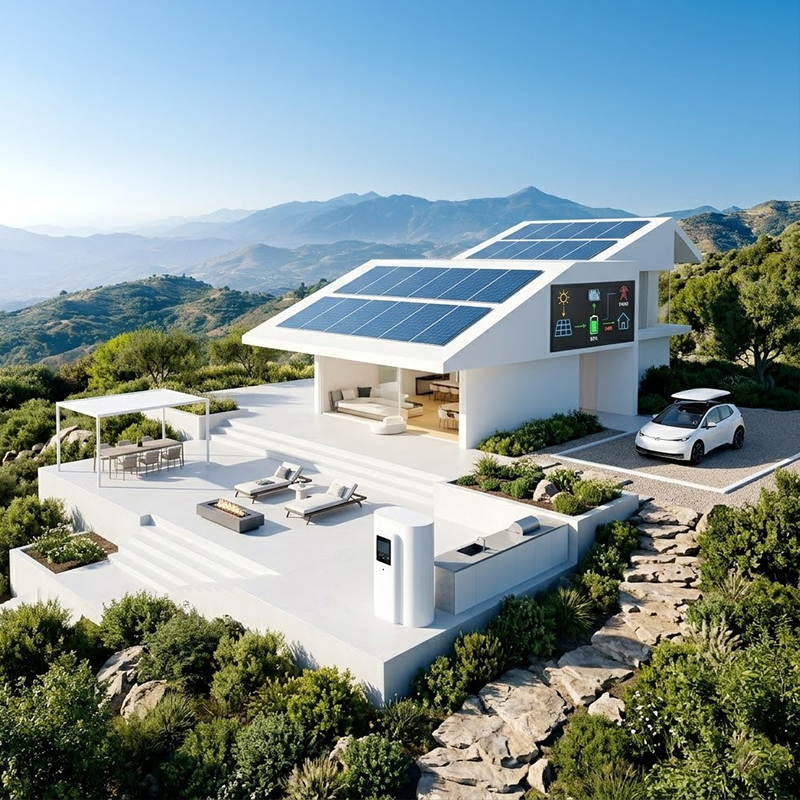
Electricity challenges in Nigeria and South Africa have moved far beyond inconvenience—they directly affect productivity, household comfort, and business survival. Frequent outages, rising tariffs, and dependence on diesel generators have made energy costs unpredictable and increasingly unsustainable.
In response, a new generation of energy solutions is rapidly gaining traction: hybrid solar systems powered by advanced lithium batteries and high-efficiency inverters. These systems are no longer just backup power—they are becoming the primary energy backbone for homes and businesses across Africa.
This article explores how hybrid solar systems are transforming energy consumption patterns, significantly reducing electricity bills, and why high-quality lithium battery storage and intelligent inverters are at the center of this shift.
The Energy Reality in Nigeria & South Africa
Nigeria – High Dependence on Generators
Nigeria faces one of the highest levels of electricity instability globally. Many households and SMEs rely heavily on petrol or diesel generators. While generators provide temporary relief, they come with serious drawbacks:
- High and fluctuating fuel costs
- Noise and air pollution
- Frequent maintenance issues
- Limited efficiency for long-term use
For many businesses, generator fuel expenses often exceed actual grid electricity bills.
South Africa – Load Shedding Pressure
South Africa’s challenge is different but equally disruptive: load shedding. Scheduled power cuts affect:
- Retail operations
- Manufacturing output
- Remote work productivity
- Household comfort and safety
Businesses often lose revenue during downtime, while households struggle with food storage, security systems, and basic lighting.
Why Traditional Backup Systems Are No Longer Enough
For years, the default solution was simple: generators or small UPS systems. However, energy economics have changed.
Generators Are Becoming Financially Unsustainable
Fuel prices continue to rise, and operational costs are unpredictable. Over time, generator ownership becomes more expensive than investing in a solar-based system.
Lead-Acid Batteries Are Outdated
Traditional lead-acid batteries used in older solar setups have limitations:
- Short lifespan
- Slow charging
- Poor deep-cycle performance
- High maintenance requirements
This is where modern lithium battery technology changes the game.
What Is a Hybrid Solar System?
A hybrid solar system integrates multiple energy sources:
- Solar panels (primary generation source)
- Lithium battery storage (energy reserve)
- Smart inverter (energy management hub)
- Grid or generator backup (optional input)
Unlike traditional systems, hybrid setups intelligently switch between power sources depending on availability and demand.
The Role of the Inverter
The inverter is the “brain” of the system. It:
- Converts DC solar energy into usable AC power
- Manages energy distribution between solar, battery, and grid
- Optimizes energy consumption in real time
- Protects devices from surges and instability
High-quality hybrid inverters significantly improve system efficiency and lifespan.
The Role of Lithium Batteries
Lithium batteries are the foundation of modern solar independence. Compared to older technologies, they offer:
- Longer lifespan (often 8–15 years)
- Faster charging
- Higher usable depth of discharge
- Minimal maintenance
- Compact design and scalability
For African energy conditions, lithium storage is especially valuable due to daily cycling demands.
How Hybrid Solar Systems Reduce Electricity Bills
1. Maximizing Solar Consumption
Instead of sending excess solar energy back to the grid or wasting it, hybrid systems store it in batteries for later use—especially at night.
This reduces dependence on expensive grid electricity during peak tariff hours.
2. Eliminating Generator Fuel Costs
For many Nigerian households and SMEs, replacing generators with solar-battery systems leads to immediate savings:
- No fuel purchases
- No maintenance costs
- No downtime from refueling
Over time, savings can be substantial enough to recover system investment.
3. Peak Load Shifting
Electricity tariffs often vary based on peak usage times. Hybrid systems allow users to:
- Store cheap or solar energy
- Use stored energy during expensive peak hours
This reduces monthly bills significantly.
4. Reducing Energy Waste
Smart inverters ensure energy is used efficiently, avoiding unnecessary losses common in traditional systems.
Real-World Applications in Nigeria & South Africa
Residential Homes
Homeowners are increasingly adopting hybrid systems for:
- Lighting and appliances
- Refrigeration
- Air conditioning support
- Home security systems
Families benefit from uninterrupted power without worrying about fuel or outages.
Small and Medium Businesses (SMEs)
SMEs are among the biggest beneficiaries:
- Retail stores avoid downtime during outages
- Restaurants maintain refrigeration and cooking operations
- Offices ensure uninterrupted digital workflows
- Clinics maintain critical equipment uptime
Even a few hours of downtime avoided per day can significantly increase profitability.
Industrial and Commercial Facilities
Larger systems support:
- Manufacturing equipment
- Warehouses
- Telecom infrastructure
- Agricultural processing facilities
Hybrid solar is increasingly seen as a strategic infrastructure investment, not just an energy solution.
Why Lithium Battery + Hybrid Inverter Systems Are the Future
The combination of lithium batteries and advanced hybrid inverters creates a fully intelligent energy ecosystem.
Smart Energy Management
Modern systems automatically decide:
- When to use solar energy
- When to store energy
- When to draw from the grid
- When to activate backup sources
This reduces human intervention and maximizes efficiency.
Scalability for Growing Energy Needs
Businesses and households can expand systems over time:
- Add more battery capacity
- Increase solar panel arrays
- Upgrade inverter capacity
This flexibility makes hybrid systems suitable for both small homes and large enterprises.
Reliability in Harsh Conditions
In regions with unstable grids and high temperatures, lithium-based systems perform more consistently than traditional alternatives.
The Importance of Localized Energy Solutions
Energy needs in Nigeria and South Africa are not identical to those in Europe or North America. Successful solar deployment requires:
- Systems designed for high outage frequency
- Equipment resistant to voltage fluctuations
- Flexible installation configurations
- Durable components suited for tropical climates
Manufacturers that understand these conditions are better positioned to deliver long-term value.
Key Benefits for African Customers
Across both markets, hybrid solar users consistently report:
- 40%–80% reduction in electricity costs
- Near-zero dependence on fuel generators
- Improved business uptime
- Greater energy independence
- Reduced carbon footprint
For many, the transition is not just financial—it is a lifestyle and operational upgrade.
Choosing the Right System Matters
Not all hybrid systems deliver the same performance. Key factors include:
- Quality of lithium battery cells
- Efficiency of inverter technology
- System compatibility and expandability
- After-sales technical support
- Warranty and lifecycle guarantees
Low-cost systems may reduce upfront investment but often fail under heavy daily use conditions common in Africa.
From Backup Power to Energy Independence
Hybrid solar systems are redefining how energy is generated, stored, and consumed in Nigeria and South Africa. What was once considered a backup solution has now become a primary energy strategy for thousands of households and businesses.
At the center of this transformation are advanced lithium battery systems and intelligent hybrid inverters, enabling users to take control of rising electricity costs and unstable power supply.
For both homeowners and business owners, the message is clear:
Energy independence is no longer a future goal—it is a present-day solution.